
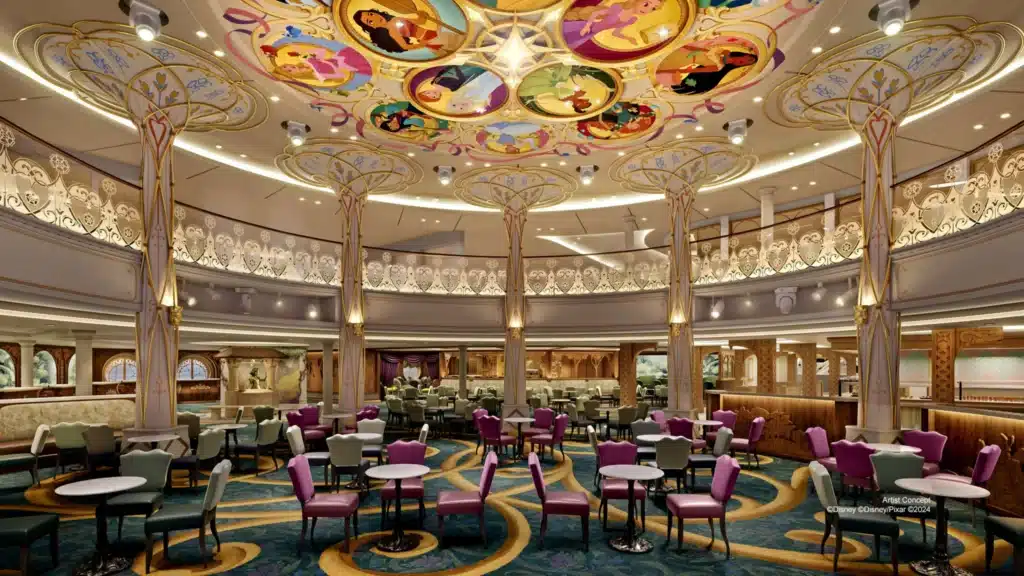
If you are trying to decide whether Disney Adventure is the right Disney Cruise Line ship for your kids, the short version is this: Disney Adventure is being built with families very much in mind, but the right fit depends on your children’s ages, your itinerary priorities, and how much you want the ship itself to be the center of the vacation. This Disney Adventure family guide is meant to help you look past the excitement and focus on what will actually matter once you are onboard.
I would start by reading the broader Disney Adventure Complete Ship Guide if you want the full ship overview, then come back here to think through the family-specific decisions. Families usually have different questions than couples or adult travelers. You are not just asking, “Is the ship beautiful?” You are asking, “Will my toddler nap? Will my teen disappear into the club and have fun? Will dinner work with bedtime? Will we feel relaxed or constantly behind?”
Disney Cruise Line is often a strong fit for families because the experience is designed around together time and independent kid time. That balance matters. A ship can have wonderful entertainment, dining, characters, pools, and clubs, but if the pacing does not fit your family, it can still feel harder than it needed to be.
Some families will love Disney Adventure because they want big Disney energy, dedicated youth spaces, character moments, entertainment, and enough onboard activity that sea days feel full. Other families may prefer a different Disney Cruise Line ship because of itinerary, departure location, ship size, budget, or a more familiar layout. That is the kind of decision I help families make all the time.
Quick Answer
Disney Adventure is expected to be a strong family-friendly Disney Cruise Line option, especially for families who want kids clubs, character experiences, dining variety, and plenty to do onboard. It is strongest for families who will use the ship’s entertainment, youth spaces, and themed experiences, not just treat the ship as transportation between ports.
Best For
Families who want the ship to be a major part of the vacation. It is especially appealing if your children enjoy Disney characters, clubs, movies, themed spaces, and organized activities.
Not Ideal For
Families who care most about a specific itinerary, a smaller ship feel, quieter onboard pacing, or the easiest possible departure logistics. Those details can matter more than people realize.
Worth It?
Disney Adventure can be worth it for families who will use the entertainment, youth spaces, dining, and onboard activities. If your family mainly wants ports and quiet ship time, compare carefully before booking.
The best way to think about Disney Adventure is not simply “Is it good for kids?” It is “Is this the right version of Disney Cruise Line for my kids, our travel style, and this specific trip?”
Want Help Deciding If Disney Adventure Fits Your Family?
I help families compare Disney Cruise Line ships, staterooms, dining schedules, and age-group needs so the trip feels easier from the start.
If you want another set of experienced eyes on your options, I would be happy to help you narrow it down.
The biggest family planning mistake is assuming every Disney Cruise Line ship will feel the same. Disney does a very good job creating a consistent service style, but the onboard spaces, itinerary patterns, ship size, and age-group experience can still vary. A ship that is perfect for a 6-year-old may not be the best fit for a 15-year-old who wants more independence.
Disney Adventure also needs to be viewed through the lens of how your family actually travels. Some families want to wake up, eat, swim, see characters, go to a show, and stay busy until bedtime. Other families need long breaks, quiet meals, and a room that makes naps realistic. Neither style is wrong. But they require different planning.
This is where I would slow down before booking. Look at your children’s ages, sleep needs, social comfort level, dining flexibility, and how much structure they enjoy. A child who loves organized activities may get a completely different experience from a child who prefers to stay close to parents. The ship may be family-friendly either way, but your planning choices should adjust.
Quick Facts
| Category | Details |
|---|---|
| Best For | Families who want Disney Cruise Line entertainment, kids clubs, character moments, dining, and ship-focused vacation time. |
| Not Ideal For | Travelers who want a very small ship feel, minimal onboard stimulation, or a trip focused almost entirely on ports. |
| Kids and Teens | Disney Adventure includes youth programming considerations for younger kids, tweens, and teens, including spaces such as Disney’s Oceaneer Club, Edge, and Vibe. Current offerings should always be confirmed before sailing. |
| Dining Planning | Families should pay attention to dining times, bedtime patterns, picky eaters, and how dinner connects with evening entertainment. |
| Stateroom Priorities | Space, storage, bathroom layout, sleeping arrangements, and location can matter more than the lowest available fare. |
| Best Upgrade To Consider | An upgraded room category may be worth considering if your family needs more space, better location, or easier downtime. |
| Biggest Mistake | Booking based only on excitement for a newer ship without comparing the itinerary, ship size, departure logistics, and age-group fit. |
| Advisor Recommendation | Match the ship to your children’s ages and your family’s real vacation rhythm before choosing a stateroom or sailing date. |
What Is Disney Adventure?
Disney Adventure is part of the Disney Cruise Line fleet, and for families, that means the vacation is not only about where the ship sails. The ship itself becomes a major part of the trip. That is different from many land vacations where the resort room is mainly a place to sleep between park days or excursions.
On a Disney cruise, your dining, entertainment, children’s programming, pool time, characters, family activities, and evening shows are all part of the onboard experience. That can be wonderful for families because it reduces some of the daily decision fatigue. You are not constantly driving somewhere, changing hotels, or figuring out a new restaurant every night.
But it also means the ship’s layout, crowd flow, room location, and activity schedule matter. If your child needs a quiet reset after lunch, you will care how easy it is to get back to your stateroom. If you are traveling with a stroller, you will care about elevator timing and walking patterns. If you have teens, you will care whether they feel like the ship gives them enough independence without feeling disconnected from the family.
That is why I do not recommend choosing Disney Adventure only because it is new or exciting. I would look at it as a complete family vacation system: where you sleep, how your kids spend their time, when you eat, how evenings flow, and whether the itinerary supports the kind of trip you actually want.
If your family is new to cruising, I would also spend a little time understanding embarkation and disembarkation before you focus on the fun pieces. The first and last day can set the tone for the whole trip. My Disney Cruise Embarkation Guide and Disney Cruise Disembarkation Guide are helpful places to start because cruise logistics feel much easier when you know what to expect.
The onboard experience may matter as much as the itinerary.
Toddlers, tweens, and teens need very different onboard plans.
Convenient stateroom placement can make breaks much easier.
Dinner timing can affect bedtime, shows, and evening moods.
Disney ships share a brand, but they do not feel identical.
Who Disney Adventure Is Best For
Disney Adventure is likely to be a strong fit for families who want a vacation where kids have plenty to do and adults do not have to create every activity from scratch. That is one of the biggest advantages of Disney Cruise Line. You can have together time at meals, shows, character moments, and pool areas, while also giving children supervised spaces designed for their age group.
For families with young children, the biggest benefit is usually structure. Kids often do well when the day has familiar rhythms: breakfast, activity, pool time, lunch, rest, dinner, entertainment, bed. A cruise can support that rhythm well because you are not leaving the property every day. You are already where you need to be.
That said, families with little ones need to be realistic. A Disney cruise is not automatically relaxing just because the ship has great kids programming. If you have a toddler who still naps, a baby with early bedtimes, or a preschooler who gets overwhelmed in busy environments, your stateroom location and daily pacing matter a lot. I would rather see a family plan fewer activities and actually enjoy them than try to touch every offering onboard.
Tweens and teens are a different conversation. For this age group, the ship feels successful when they have independence, social space, and activities that do not feel too young. Disney Adventure planning should include a careful look at Edge and Vibe, not just the spaces for younger kids. If your teen feels like the ship is “for little kids,” it changes the whole family dynamic. The detailed Disney Adventure For Kids and Teens: Clubs, Characters, Movies, and Games for Every Age guide is especially helpful if you are trying to balance multiple ages.
Multigenerational families may also be a good match for Disney Adventure because Disney cruises naturally give people permission to split up and come back together. Grandparents can enjoy quieter time, parents can join activities or take a break, and kids can move between family experiences and youth spaces. The key is choosing a stateroom setup and dining plan that does not make everyone feel attached at the hip.
Families who may prefer another Disney Cruise Line ship are usually the ones with very specific itinerary goals, strong preferences for a smaller or more familiar ship layout, or departure logistics that make another option easier. Convenience matters more on shorter trips, and it matters a lot when flights, school schedules, jet lag, or younger children are involved. If getting to the ship adds stress, that stress does not disappear just because the cruise is Disney.
Kids Clubs and Youth Spaces on Disney Adventure
Kids clubs are one of the main reasons families choose Disney Cruise Line, but I always remind parents that the best kids club is the one your child will actually use. Some children run in happily and never look back. Others want to visit with a parent first, observe the room, and settle in slowly. Neither reaction is unusual.
Disney’s Oceaneer Club is typically the key supervised programming space families think about for younger children, while older kids and teens often look toward Edge and Vibe. Disney Adventure is also expected to include themed youth experiences, but exact offerings, access, age ranges, and operating details can change and should be confirmed before sailing.
For younger kids, I would plan an early visit to the youth spaces when possible. Not because you need to force club time, but because familiarity helps. A child who has already seen the space, met a counselor, or noticed an activity board may feel much more comfortable going back later. This is one of those details that sounds small until you are working around dinner reservations, showtimes, and bedtime.
For tweens and teens, the question is less “Is there a club?” and more “Will this feel like a place they actually want to be?” Edge and Vibe can be important because older kids often want independence without being treated like little kids. If you are traveling with a teen who is shy, it may help to encourage them to stop by early in the sailing when other teens are also figuring things out.
Parents should verify current age ranges, registration steps, operating hours, check-in and check-out procedures, and any onboard app requirements before sailing. Policies can change, and youth spaces may operate differently depending on sailing, capacity, and current Disney Cruise Line procedures. I would never want a family to build their whole evening plan around assumptions that are not current.
If your family has children in multiple age groups, plan for split schedules. One child may love the club after dinner while another prefers movies, pool time, or staying with you. That is normal. The trip will feel smoother if you build in flexibility instead of expecting everyone to enjoy the same things at the same time.
Dining With Kids on Disney Adventure
Dining can make or break the evening for families, especially with younger children. Disney Cruise Line is known for family-friendly dining, but parents still need to think through meal timing, picky eaters, pace, and how dinner fits with shows or nighttime entertainment. A beautifully planned dinner does not feel very magical if a child is melting down because it started too late.
The first question I ask families is simple: what time does your child usually fall apart at home? Not bedtime. Fall-apart time. On vacation, especially after sun, swimming, stimulation, and skipped naps, that time often arrives earlier than parents expect. If your child struggles after 7:00 p.m., dining time becomes a real planning decision, not just a preference.
Disney Adventure dining details should be confirmed for your specific sailing, but families can start with the planning concepts in the Disney Adventure Dining Guide: Rotational Restaurants, Casual Spots, and Adult Dining and the Disney Adventure Dining Rotation Guide. Rotational dining can be fun for families because it adds variety while keeping the service experience familiar, but exact restaurants, schedules, and arrangements can vary.
Picky eaters are another common concern. In my experience, parents worry less when they understand the rhythm of meals before boarding. Ask what options are available for children, how flexible dining is for your sailing, and what casual options may work if your family needs something simpler one night. Do not wait until everyone is tired and hungry to figure that out.
Dining also affects entertainment planning. If your family wants to see evening shows, deck parties, character moments, or nighttime activities, dinner time matters. On some nights, you may need to choose between a slower meal and making it to something else comfortably. That is not a failure. That is cruise reality with kids.
For families with babies or toddlers, I would think about room distance after dinner. A long walk back to the stateroom with a sleepy child, a stroller, and leftover excitement from the evening can feel much longer than it looked on a deck plan. If you are already close to bedtime, convenient room location becomes more valuable.
Entertainment, Characters, and Family Activities
Disney Cruise Line’s family appeal often comes from the way entertainment is woven through the trip. You are not just attending one show or meeting one character. The ship can create many small moments throughout the day: a character sighting, a movie, a family activity, a deck event, a themed dinner, or an evening performance. That steady rhythm is part of the value.
For Disney Adventure, families should look closely at entertainment options before deciding how full they want each day to be. The Disney Adventure Entertainment Guide is a helpful starting point for understanding shows and onboard experiences, while the Disney Adventure Nightlife and Shows: Theater, Deck Parties, Pirate Night, and Late Night Fun guide can help families think through evenings.
With kids, the trick is not doing everything. It is choosing the experiences that will matter most to your family and allowing enough space around them. A child who has already done the pool, lunch, a character moment, and a club activity may not have the energy for a late show. A teen may want to skip a family activity and meet friends. A grandparent may need a quiet hour before dinner. These are normal travel patterns.
Pool time deserves its own pacing plan, especially for families with younger kids. Hot sun, wet swimsuits, crowded elevator banks, and post-lunch fatigue can sneak up quickly. If pools and daytime fun are a priority, I would review the Disney Adventure Pool Deck Guide: Pools, Slides, Daytime Fun, and Family Chill Zones before choosing how you want your sea days to flow.
One common mistake is overplanning every hour onboard. I understand why parents do it. You paid for the cruise, and you want to enjoy it. But kids often remember the relaxed parts too: ordering a snack, watching the ocean, going back to the room for pajamas, or decorating the stateroom door together. If your family enjoys that kind of extra fun, the Disney Cruise Door Decorations Guide can help you understand what to consider before packing anything.
Rest is not wasted vacation time. On a Disney cruise, rest is often what allows the fun parts to actually feel fun. This is especially true on a ship with a lot to see and do.
Stateroom Planning for Families
Stateroom choice is one of the biggest family decisions, and it is also one of the easiest places to focus too much on price. I completely understand wanting to manage the budget. But with kids, the lowest fare is not always the best value if the room makes daily life harder.
Start with the practical pieces: how many people are sleeping in the room, who needs quiet, who wakes up early, who needs a nap, how much storage you need, and how often you expect to return to the stateroom during the day. A family that uses the room only to sleep may prioritize differently than a family with toddlers, grandparents, or children who need downtime.
Bathrooms matter. Storage matters. Sleep surfaces matter. So does the ability to move around the room when everyone is getting ready at the same time. These are not glamorous details, but they affect the vacation every single day. A rushed morning in a tight room feels very different from a morning where everyone can get ready without stepping over shoes, bags, and pajamas.
Room location can also affect how easy the ship feels. Being closer to the areas your family uses most may be worth considering, especially with younger kids. A family planning frequent trips to the room for naps or breaks may value convenience more than a family with older kids who stay out all day.
An upgraded stateroom category may be worth considering when it solves a real problem: more breathing room, easier rest, better location, or a layout that works better for your family. I would not upgrade just to upgrade. I would upgrade when it improves the day-to-day experience enough to justify the added cost.
This is also where families sometimes overspend in the wrong direction. A more expensive room is not automatically better if the location is inconvenient for your daily routine, or if the extra space does not solve a real need. On the other hand, saving a little on the room can feel less exciting once you are making multiple hallway trips each day with tired kids.
Some families may also want to compare standard booking choices with concierge-level options. Concierge is not necessary for every family, but it can make sense for travelers who value additional service, planning support, or certain priority-style benefits depending on what is available for the sailing. If you are considering that direction, the Disney Adventure Concierge Guide is worth reviewing before you decide.
Before choosing a stateroom, ask about what is above, below, and nearby. Also ask how your room location supports your actual daily pattern. With families, convenience often matters more once you are onboard than it did while looking at the fare chart.
Is Disney Adventure Worth It for Your Family?
Disney Adventure can be worth it for families who place real value on Disney-level entertainment, supervised youth programming, character experiences, dining variety, and the convenience of having so much built into the ship. If your family will use those features, the value is easier to understand.
The decision gets more complicated when price, itinerary, ship size, or departure logistics become the bigger priority. A family might love the idea of Disney Adventure but still be better served by another Disney Cruise Line ship because the sailing date, destination, or travel logistics fit better. That is not settling. That is choosing the vacation that works best for your real life.
I also look at how much the children will participate. If your kids are excited about clubs, shows, pools, characters, and onboard activities, Disney Adventure may deliver a lot of usable value. If your children are unlikely to use the clubs, dislike shows, and mainly want beach ports or quiet family time, then I would compare carefully before paying more for the ship experience.
For many families, this is where the decision becomes clearer: are you paying for features your family will actually enjoy? If yes, the ship can make a lot of sense. If not, another ship, itinerary, or vacation style may be the better fit.
Adults traveling with children should also consider whether they want any kid-free pockets of time. Disney Cruise Line can work well for parents who want family time and occasional adult time, but it helps to know what adult-focused spaces are available. The Disney Adventure Adults Only Guide is useful if you want to understand how parents might build in a little breathing room.
Disney Adventure vs Other Disney Cruise Line Ships
Families compare Disney Adventure with other Disney Cruise Line ships because the ship can shape the whole vacation. It is not just a floating hotel. It affects dining, entertainment, kids clubs, pool flow, stateroom choices, crowds, and how easy the trip feels for your family.
When I help families compare Disney ships, I usually start with four questions: where does the ship sail, how easy is it to get there, how well do the onboard spaces fit your children’s ages, and how much does ship size matter to you? Those questions are much more useful than simply asking which ship is “best.”
A newer or larger ship may offer exciting spaces, but it may also require more intentional planning. A more familiar ship may feel easier for some families, especially if they have cruised Disney before. An itinerary with ports you care about may outweigh the appeal of a newer ship. Departure logistics can also become the deciding factor, especially for families managing school schedules, long flights, or younger kids.
Disney Adventure Compared With Other Disney Cruise Line Options
This comparison is not about ranking one ship as universally better. It is about helping you decide which type of Disney Cruise Line experience fits your family best.
| Option | Best For | Key Planning Factor | Family Fit | Main Tradeoff |
|---|---|---|---|---|
| Disney Adventure | Families who want a ship-focused Disney Cruise Line vacation with strong onboard entertainment and youth programming. | Confirm current itineraries, ship details, youth spaces, and departure logistics before booking. | Strong potential fit for families with children who will use clubs, activities, dining, and entertainment. | May not be the best choice if another ship has an easier itinerary or departure point for your family. |
| Other Newer Disney Ships | Families who like newer designs, updated spaces, and a large variety of onboard experiences. | Compare ship layout, sailing length, dining style, and how busy the onboard schedule may feel. | Often appealing for families who want lots to do without leaving the ship. | Can feel more active or full than some travelers expect. |
| Classic Disney Cruise Line Ships | Families who prefer a more familiar Disney cruise feel or a ship size that may feel easier to navigate. | Look at itinerary, sailing length, and whether the onboard spaces fit your children’s ages. | Can be a comfortable choice for first-time cruisers or families who value simplicity. | May not have every newer feature or themed space families are comparing. |
| Itinerary-First Choice | Families who care more about ports, geography, or travel dates than a specific ship. | Start with destination and schedule, then compare ships that match those needs. | Best for families who want the cruise to support the destination experience. | You may give up certain ship-specific features to get the itinerary you want. |
The takeaway is that Disney Adventure should be compared as part of the full vacation, not in isolation. I would never tell a family to choose a ship just because it has the newest buzz around it. I would want to know whether it fits your kids, your budget, your travel dates, and your tolerance for logistics.
If your trip is a major family milestone, like a first Disney cruise, a multigenerational celebration, or a long-awaited vacation, this comparison matters even more. The wrong ship is not usually “bad.” It is just not aligned with what your family needed most.
This is also where budget becomes emotional. Families often stretch for the ship they are most excited about, and that can be worth it when the experience matches their priorities. But if stretching the budget means cutting the room category you needed, choosing inconvenient flights, or feeling pressure to do everything onboard, I would pause and compare again.
Still Comparing Disney Cruise Line Ships?
This is one of the most common planning conversations I have with families. The right answer usually comes down to your children’s ages, itinerary preferences, stateroom needs, and how much convenience matters.
If you want help comparing Disney Adventure with other Disney Cruise Line options, I can walk you through the tradeoffs and help you choose with more confidence.
What about the upcoming Disney Believe?
If your dates extend beyond Believe’s expected late-2027 debut, you can keep it on your family’s shortlist. Its exact itinerary, room arrangements and youth offerings need their own confirmation. The Believe family planning guide separates confirmed information from questions still waiting for an answer.
What I Tell My Clients
I tell families to decide what they need the ship to do for them before they fall in love with a sailing. Do you need excellent kids programming? Easy dining? A strong teen setup? A room that makes naps possible? Adult time? A specific itinerary? Those answers should guide the booking.
The families who are happiest with Disney Cruise Line usually understand their own rhythm. They do not try to do every show, every character moment, every activity, every pool visit, and every late night. They choose the pieces that matter, leave breathing room, and book a stateroom that supports how their family actually functions.
One thing I always tell clients is that the “best” Disney cruise is usually the one that feels easiest once you are actually living the day. That may mean a better stateroom location, an earlier dinner, fewer late nights, or a ship that gives your teen more independence. Those details are not as exciting as the big ship features, but they are often what make the vacation feel smooth.
Common Disney Adventure Planning Mistakes to Avoid
Disney Adventure has a lot that will appeal to families, and that excitement is part of the fun. But excitement can also make people skip the practical questions. I would rather see you ask those questions early than realize onboard that something important does not fit.
One mistake is booking before understanding the ship’s family fit. A Disney ship can be wonderful and still not be the right choice for your specific kids. If you have a teen who cares deeply about independence, look beyond the younger child spaces. If you have a toddler, think about naps, stroller logistics, and shorter activity windows.
Another mistake is choosing a stateroom based only on price. Sometimes the lowest category works beautifully. Sometimes it creates friction every day. With families, a better location or layout may be worth more than a small savings, especially if you will return to the room often.
It is also easy to assume that every Disney Cruise Line ship feels the same. The service style may feel familiar, but the ship’s design, onboard spaces, dining setup, and itinerary can create a different vacation rhythm. That matters more than people realize.
Common Mistakes Travelers Make Before Booking
- Booking Disney Adventure because it is exciting without comparing whether the itinerary, ship size, and departure logistics work for your family.
- Ignoring tween and teen needs while focusing only on younger kids clubs and character experiences.
- Choosing the lowest-priced stateroom without considering space, storage, sleep schedules, and location.
- Overplanning every day onboard and leaving no room for naps, pool recovery, or quiet family downtime.
- Assuming dining times will automatically work with bedtime and evening entertainment without discussing the schedule before sailing.
What I Would Tell Families Before They Book
Before booking Disney Adventure, confirm current ship details, itineraries, available spaces, dining arrangements, youth programming, and any policies that affect your family. Disney Cruise Line offerings can change, and the details for your sailing matter more than general expectations.
Match the ship to your children’s ages first. A family with a preschooler and a baby has a different set of priorities than a family with two teens. A multigenerational group has another set of priorities entirely. The same ship can work well for all of them, but the room choice, dining time, and daily pace may not be the same.
Decide what convenience is worth. This includes travel to the port, embarkation timing, stateroom location, dining time, and how easy it is to take breaks. These small logistics often matter more once you are actually there.
I would also decide how much family downtime is part of the value. Some parents feel guilty not doing every activity, but a cruise can feel better when you protect quiet moments. Ten minutes on the verandah, a slower breakfast, or a midafternoon reset can do more for the trip than squeezing in one more activity.
If Disney Adventure is the ship your family is excited about and the planning details line up, it can be a wonderful choice. If the details do not line up, I would compare before committing. A better-fit Disney cruise is always more valuable than the one that only looked best at first glance.
Frequently Asked Questions About Disney Adventure for Families
Is Disney Adventure family-friendly?
Yes, Disney Adventure is designed to be family-friendly, with Disney Cruise Line-style entertainment, dining, youth spaces, and activities for multiple ages. Families should still confirm current ship details and match the sailing to their children’s ages and travel style before booking.
Is Disney Adventure good for toddlers?
Disney Adventure may be a good fit for toddlers if your family plans around naps, early bedtimes, stroller movement, and shorter activity windows. The ship experience can be fun, but toddlers usually need more downtime than parents expect on a cruise.
Is Disney Adventure good for tweens and teens?
Disney Adventure can be a good fit for tweens and teens if they are interested in age-appropriate spaces such as Edge and Vibe. I would review the Disney Adventure kids and teens club guide before booking so you understand how the experience may work for older children.
What kids clubs are on Disney Adventure?
Disney Adventure is expected to include Disney Cruise Line youth spaces such as Disney’s Oceaneer Club, Edge, and Vibe, along with themed programming for different age groups. Age ranges, hours, access, and offerings should always be confirmed for your specific sailing.
Is Disney Adventure worth it for families?
Disney Adventure can be worth it for families who will use the ship’s entertainment, dining, kids clubs, pools, and family activities. If your family cares more about ports, price, or simple logistics, compare Disney Adventure with other Disney Cruise Line ships before deciding.
How does Disney Adventure compare with other Disney Cruise Line ships?
Disney Adventure should be compared by itinerary, departure logistics, ship size, onboard spaces, and age-group fit. Disney Cruise Line ships share a familiar service style, but the day-to-day family experience can still feel different from ship to ship.
What should families look for when choosing a stateroom?
Families should look at sleeping arrangements, bathroom setup, storage, room location, noise considerations, and how often they will return to the room. With children, convenience and layout can be just as important as the lowest available fare.
Should families choose an upgraded stateroom on Disney Adventure?
An upgraded stateroom may be worth it if it improves space, location, rest, or daily convenience for your family. I would not upgrade just for the label; I would upgrade when it solves a real travel problem.
How should families plan dining on Disney Adventure?
Families should plan dining around bedtime, picky eaters, showtimes, and how tired children usually get in the evening. The Disney Adventure dining guide can help you understand the main planning questions before you sail.
How much should families plan before boarding?
Families should plan the big pieces before boarding: embarkation, dining preferences, youth club expectations, stateroom location, and must-do activities. Leave some open space too, because kids often need more flexibility once they are onboard.
Should I use a travel advisor to book Disney Adventure?
Using a travel advisor can be very helpful if you are comparing ships, staterooms, dining times, itineraries, and age-group needs. A good advisor helps you avoid booking based only on excitement and instead choose the sailing that fits your family best.
Ready to Plan Your Trip?
If you are considering Disney Adventure, I would love to help you compare options, narrow down the best fit, and create a smoother vacation experience from the very beginning.
My clients receive personalized planning support, tailored recommendations, and guidance designed around how they actually like to travel.